
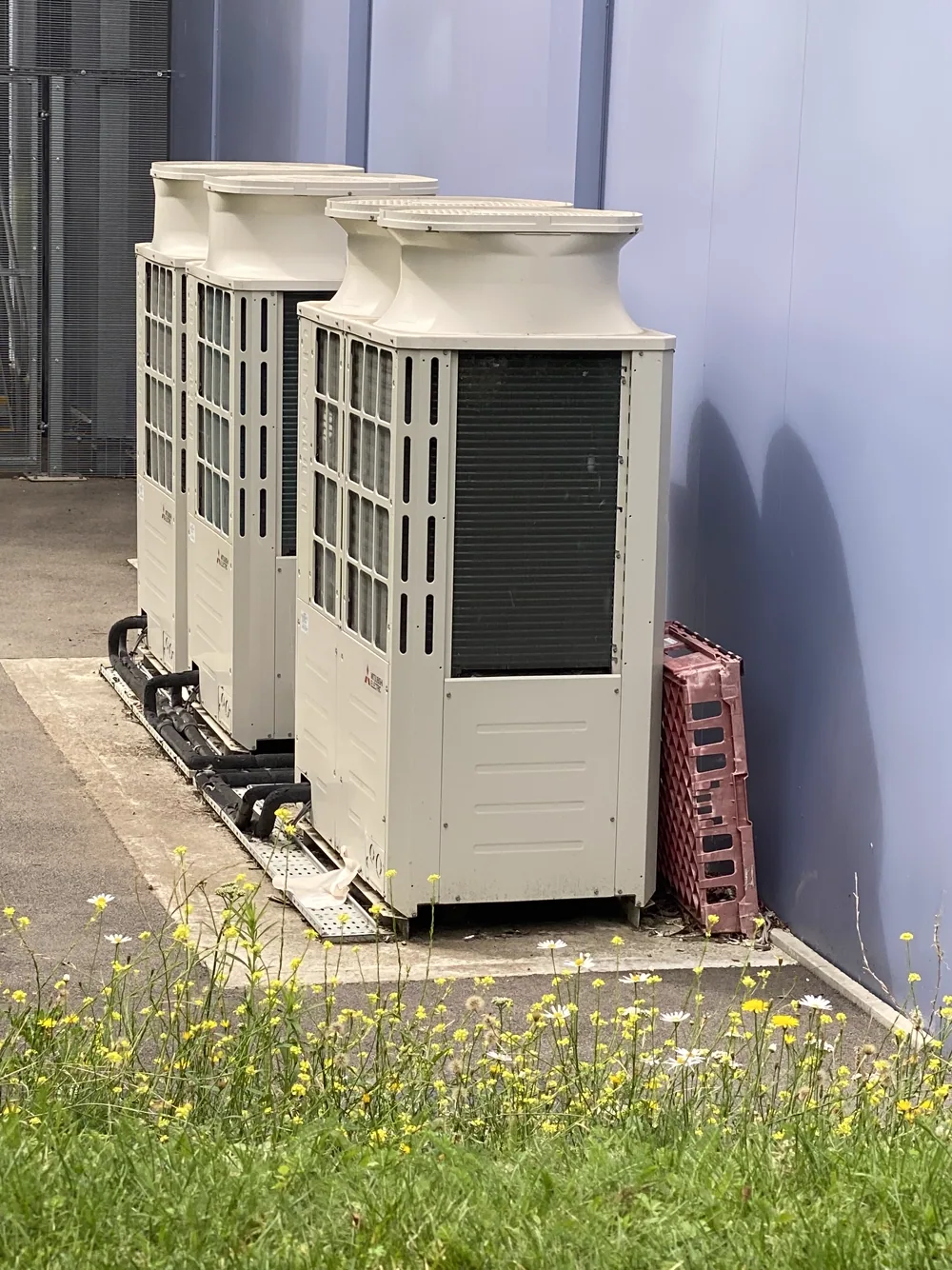
BOOKING A VISIT
How to find a qualified engineer for a refrigerant leak check
What to tell a contractor, which F-gas credentials to ask for and what to request after a visit.
Read the guideMeasurement guides
Pressure, vacuum, temperature and leak detection: understand the measurement before deciding what it means.
Start with the question that matches the task: interpreting a reading, establishing instrument capability or checking a connection. Use the exact model and actual measurement conditions when following a reference. Each page keeps its sources and unresolved questions alongside the claim, so a general explanation is not mistaken for a verified result on your equipment.
 Measurement guides
First identify what the instrument measures, its reference and the measurement point. Gauge pressure, absolute vacuum and pipe temperature answer different questions. A pressure reading alone cannot establish refrigerant charge, and a small display increment does not establish measurement accuracy.
Read the reference Measurement guides
A rising vacuum reading is an observation, not a diagnosis of a refrigerant leak. Gas entering through a leak, moisture or material outgassing, trapped volumes, changing temperature and the measurement assembly itself can all affect pressure. Interpretation needs the setup, volume, time and sensor condition.
Read the reference Measurement guides
Choose a method for the refrigerant, environment and question being asked. Refrigerant-sensitive electronic detectors, ultrasonic instruments and approved bubble solutions detect different effects. A sensitivity figure or a refrigerant-table entry does not establish suitability for every refrigerant or approval for a flammable atmosphere.
Read the reference Measurement guides
Zeroing adjusts a reference point; a function check shows a response; a comparison shows agreement or disagreement. Calibration establishes the relationship to a reference under stated conditions and reports measurement results and uncertainty. None of these automatically proves that a tool is suitable for every job.
Read the reference Measurement guides
Start with the measurement decision, then choose the instrument and every component needed to obtain a defensible reading. A smaller kit can be complete for a limited task; a larger wireless kit is useful only when its sensors, connections, software and records suit the job. Entry-level does not mean suitable for unsupervised refrigerant work.
Read the referenceIdentify the quantity, connection and required decision before selecting a tool. Current manufacturer instructions govern the exact equipment. Use the official guidance applicable to Great Britain or Northern Ireland. Overseas technical explanations do not establish UK legal requirements for the activity or equipment being assessed.
Current official guidance; follow its territorial scope and activity-specific requirements.
Northern Ireland authority; consult the separate NI regime and linked current guidance.
FIELD NOTES
BOOKING A VISIT
What to tell a contractor, which F-gas credentials to ask for and what to request after a visit.
Read the guide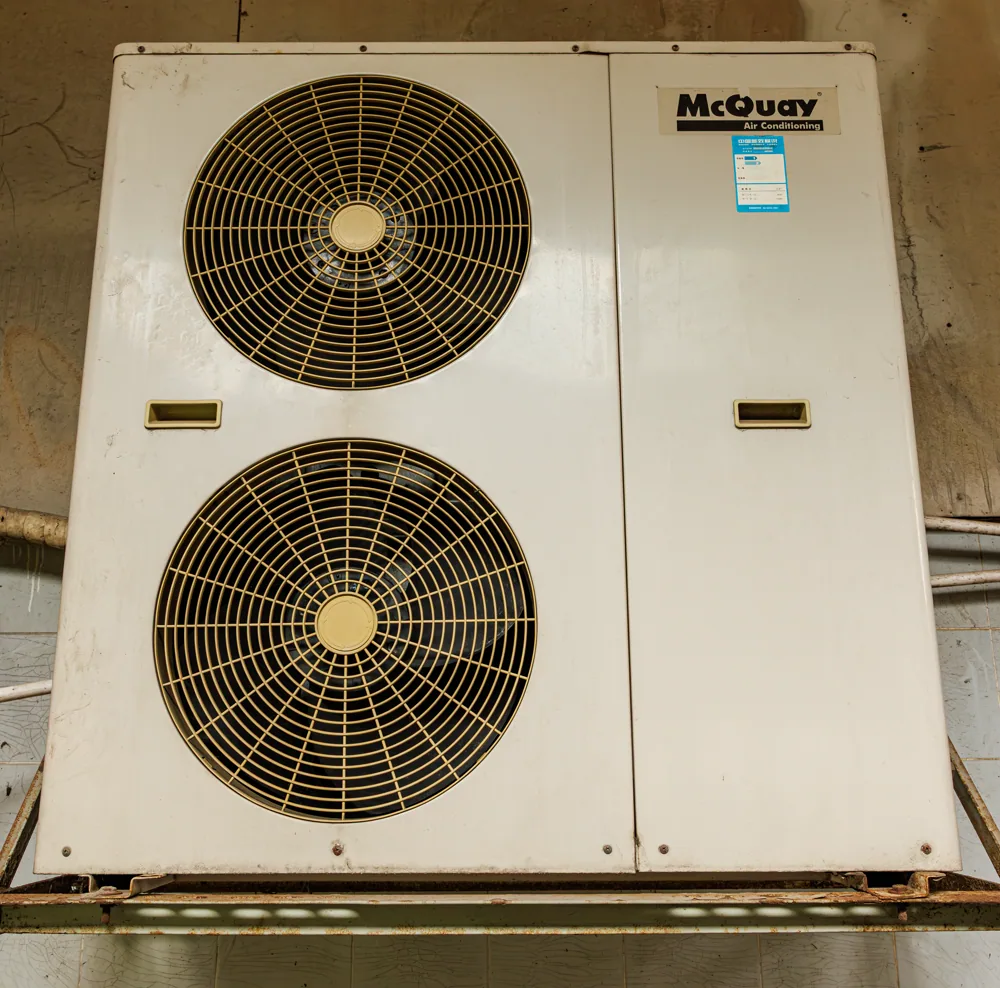
SUPERVISOR NOTES
Find the documented charge and GWP, then check how the tonne band, hermetic label and automatic detection affect the routine interval.
Read the guide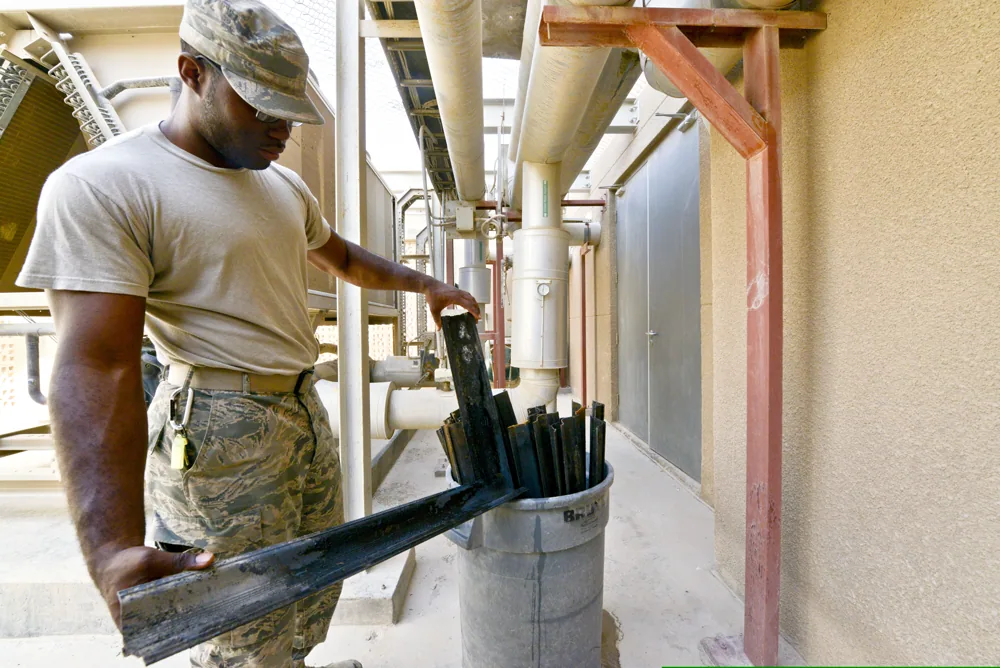
REPAIR FOLLOW-UP
Keep the first observation, repair and follow-up check separate so a supervisor can see the evidence and next action.
Read the guide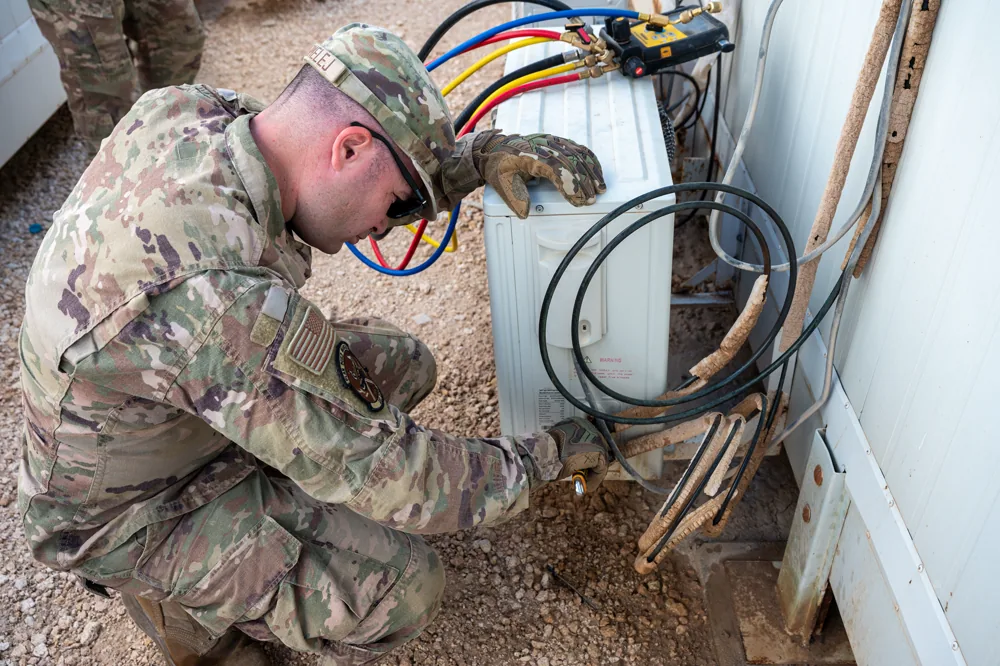
VACUUM MEASUREMENT
A gauge at the pump and one at the system can describe different volumes. Record the measurement boundary before comparing.
Read the guide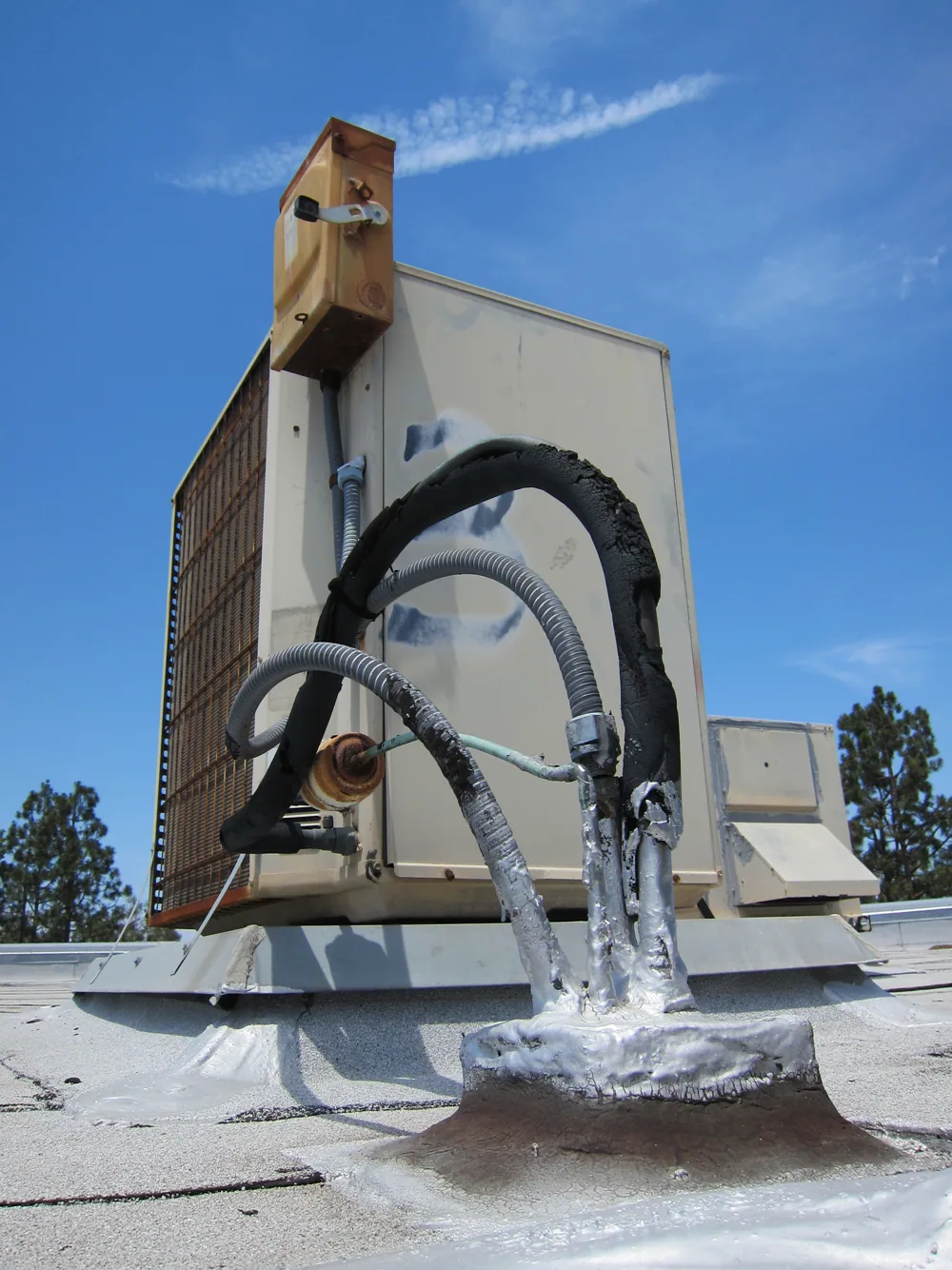
FITTINGS AND PROCUREMENT
Map both mating ends in an adapter listing and ask for the evidence a thread-size photo cannot show.
Read the guide
PRESSURE OBSERVATIONS
Check whether readings are comparable when ambient conditions, temperature or the connected volume may have changed.
Read the guideFOR EQUIPMENT OWNERS
Note what you can see from outside the unit and choose between your installer, a heating engineer or a refrigerant specialist.
Read the guidePRESSURE AND TEMPERATURE
Label the refrigerant, pressure reference, point on the chart and measured pipe temperature before handing over P/T readings.
Read the guide
INSTRUMENT EVIDENCE
Separate listed refrigerant response, instrument performance and approval for the conditions of intended use.
Read the guide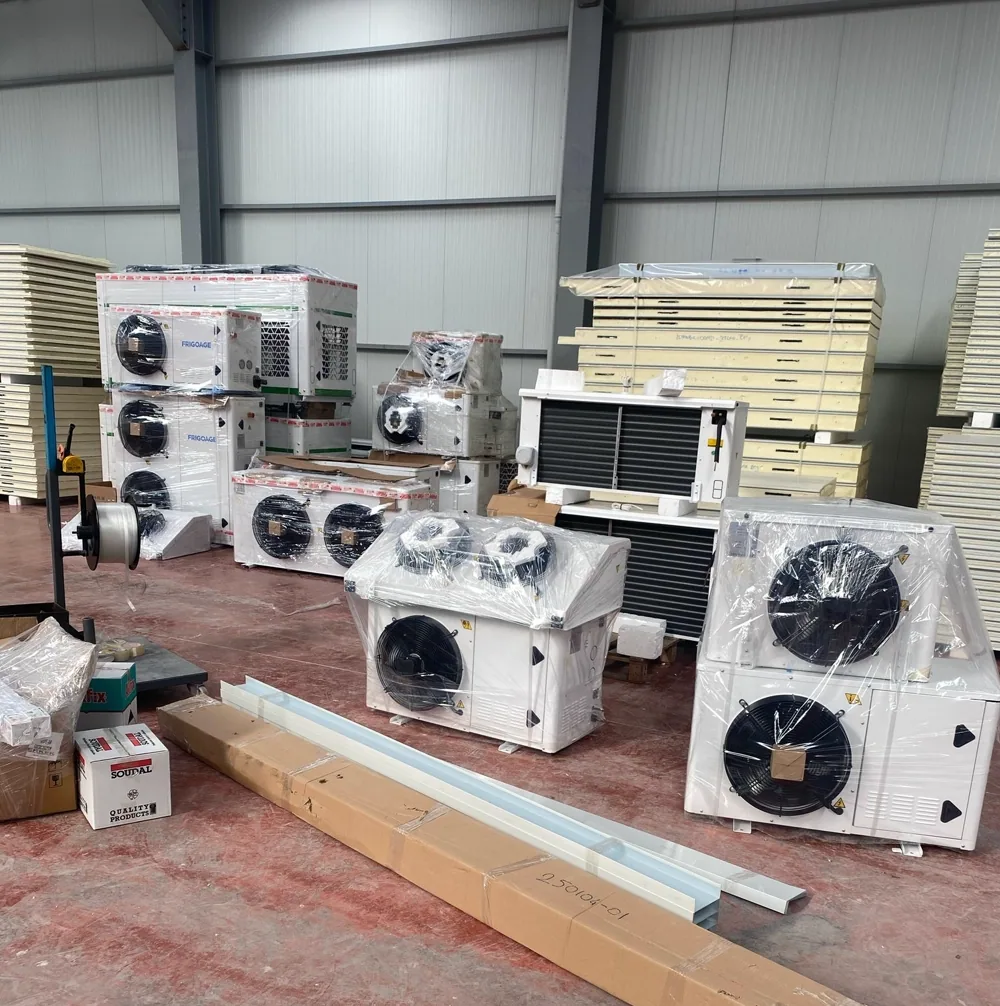
SHIFT HANDOVER
Name the sensor, timestamp and system state so a second shift can interpret the alarm and check the right observation.
Read the guide