Write a cold-room measurement handover the next engineer can use
Name the sensor, timestamp and system state so a second shift can interpret the alarm and check the right observation.
HVAC Leak Check editorial team · References checked
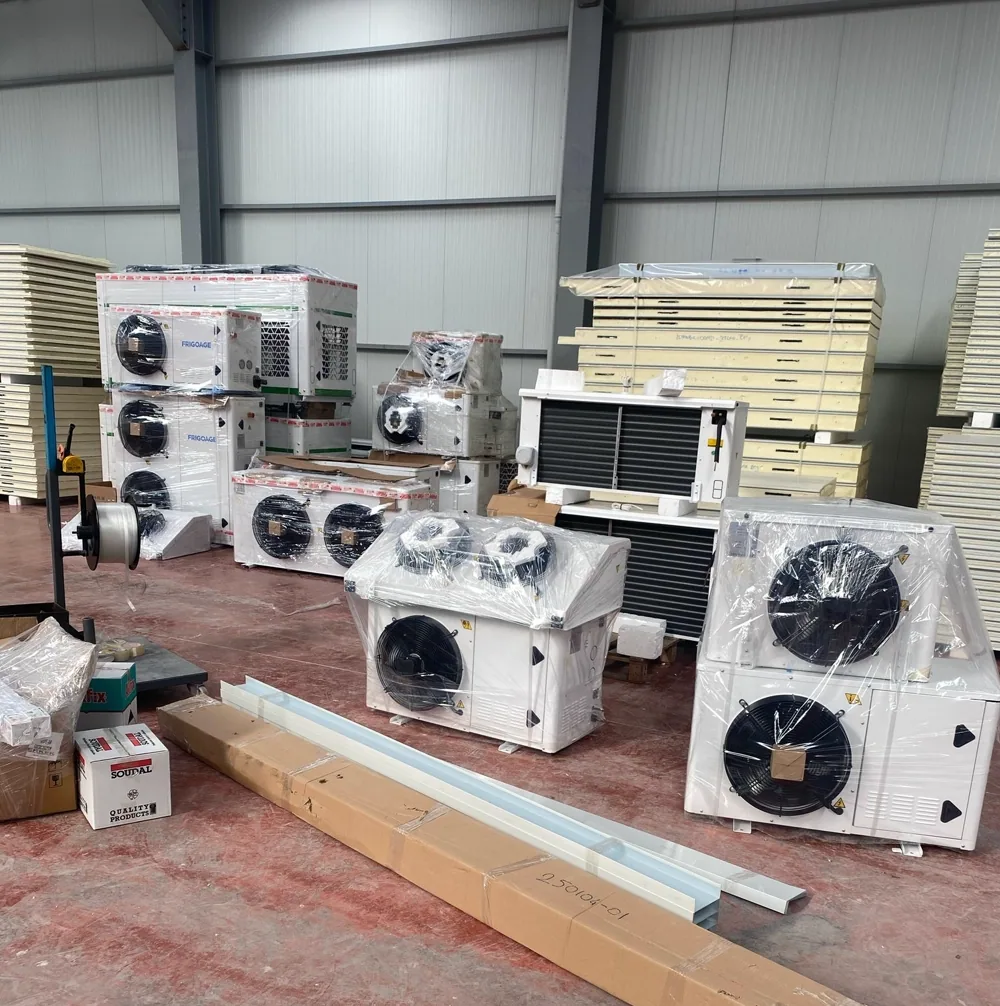
Identify the equipment and its sensor before comparing observations.Photo: Mesadbal · CC BY 4.0
A handover that says “cold room is warm” leaves the second engineer to identify the F-gas equipment, the sensor, the time and what was happening. Preserve the alarm and first observations. Identify what the next shift can compare and what remains unchecked.
Name each reading for what it is
Distinguish a controller’s indicated air temperature, independent air temperature at a named point and any measured surface or product temperature. Keep the time and offset from UTC, the door or defrost state when known, and which instruments produced the readings. An alarm timestamp may come from a controller clock that differs from the time on the job sheet. Make the mismatch visible instead of adjusting times without evidence.
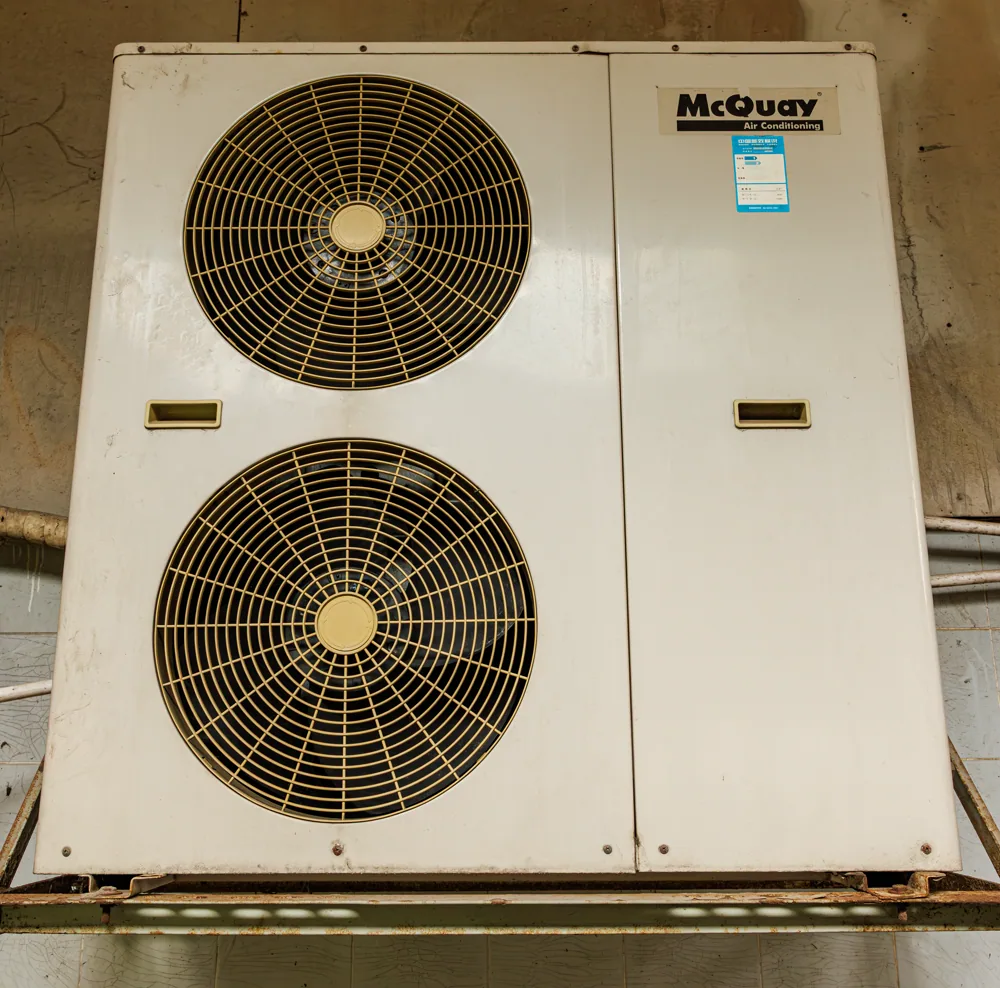
The visible casing alone cannot establish the documented circuit charge.Photo: Dinkun Chen · CC BY-SA 4.0
Turn incomplete evidence into a named action
Tell the next engineer which probe was checked, which record to open and which conditions will make a repeat observation meaningful. Keep the first reading and the retest separate. Do not infer loss of refrigerant from a door alarm, an air-temperature reading or a note that gas was added on an earlier visit. Work from the site’s procedures and route unresolved issues to the responsible contractor or manager.
Retain the signed service and statutory records under your organisation’s process. A measurement note can cross-reference them by asset ID without duplicating confidential details.
Common questions
Should I write down the instrument if the value is on the controller?
Yes. State that it came from the controller and identify the displayed sensor or channel if you know it.
Should a displayed controller temperature and an independent probe reading go in separate fields?
Yes. Give the controller and probe their own rows, with time, sensor location and conditions. Even when both use °C, they may represent different places or operating states.
What should I do if the controller alarm clock does not match the time on the job sheet?
Keep the two original times and label the clock for each. Record a known offset only if established, and say which clock still needs to be checked.
How do I record door and defrost state when only one of them is known?
Record the state you observed, such as “door open during delivery”, and mark defrost state as unknown. Include the time and arrange a check rather than inferring the missing condition.