
SUPERVISOR NOTES
How F-gas leak check intervals work in Great Britain
Find the documented charge and GWP, then check how the tonne band, hermetic label and automatic detection affect the routine interval.
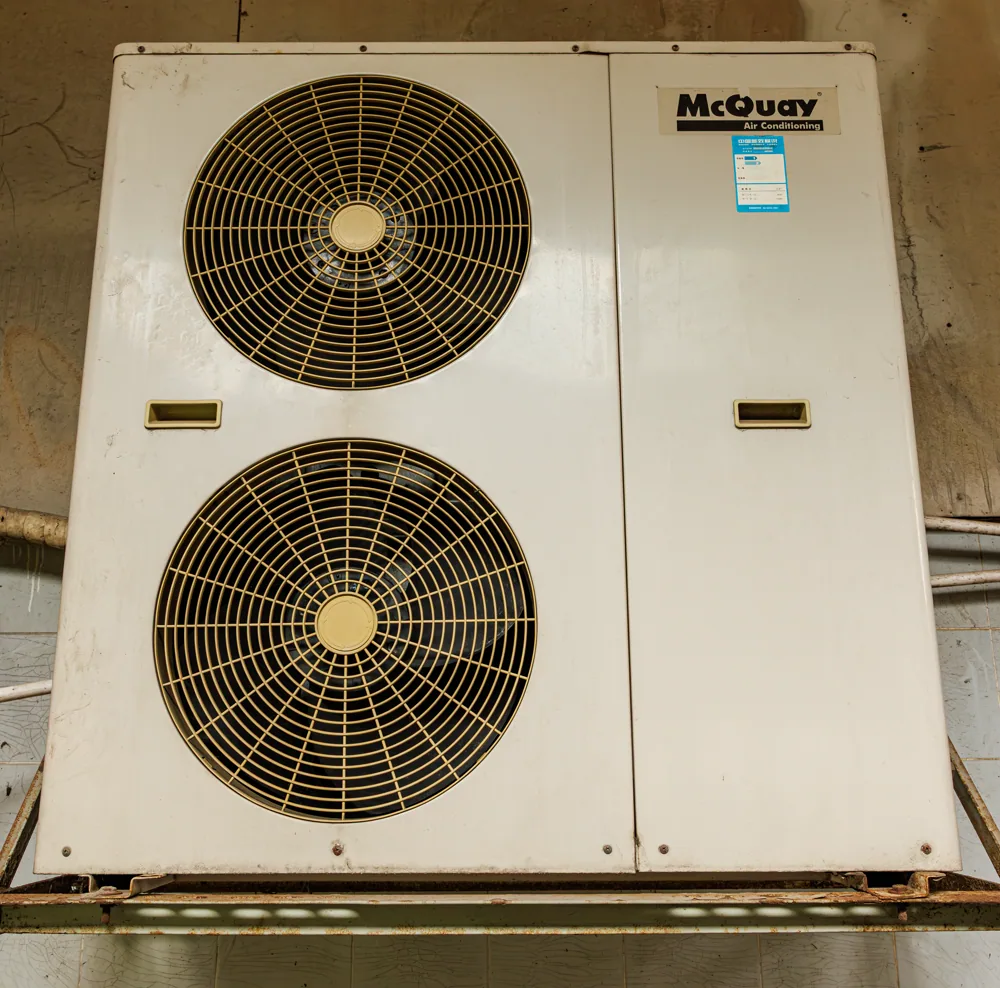
In Great Britain, start with the equipment type, refrigerant and documented charge. To calculate tonnes of CO₂ equivalent, multiply kilograms of refrigerant by its global warming potential (GWP) and divide by 1,000. Then check whether the equipment comes under the routine schedule and which conditions affect its interval.
Read the label alongside the service record
A factory charge may exclude refrigerant added at commissioning. An invoice showing an amount added at a specific visit is also different from a documented total charge. Record which figure comes from the nameplate, commissioning sheet or later job record, and ask the responsible technician to reconcile conflicts. For systems with multiple circuits, establish how the charge is recorded before pooling figures.
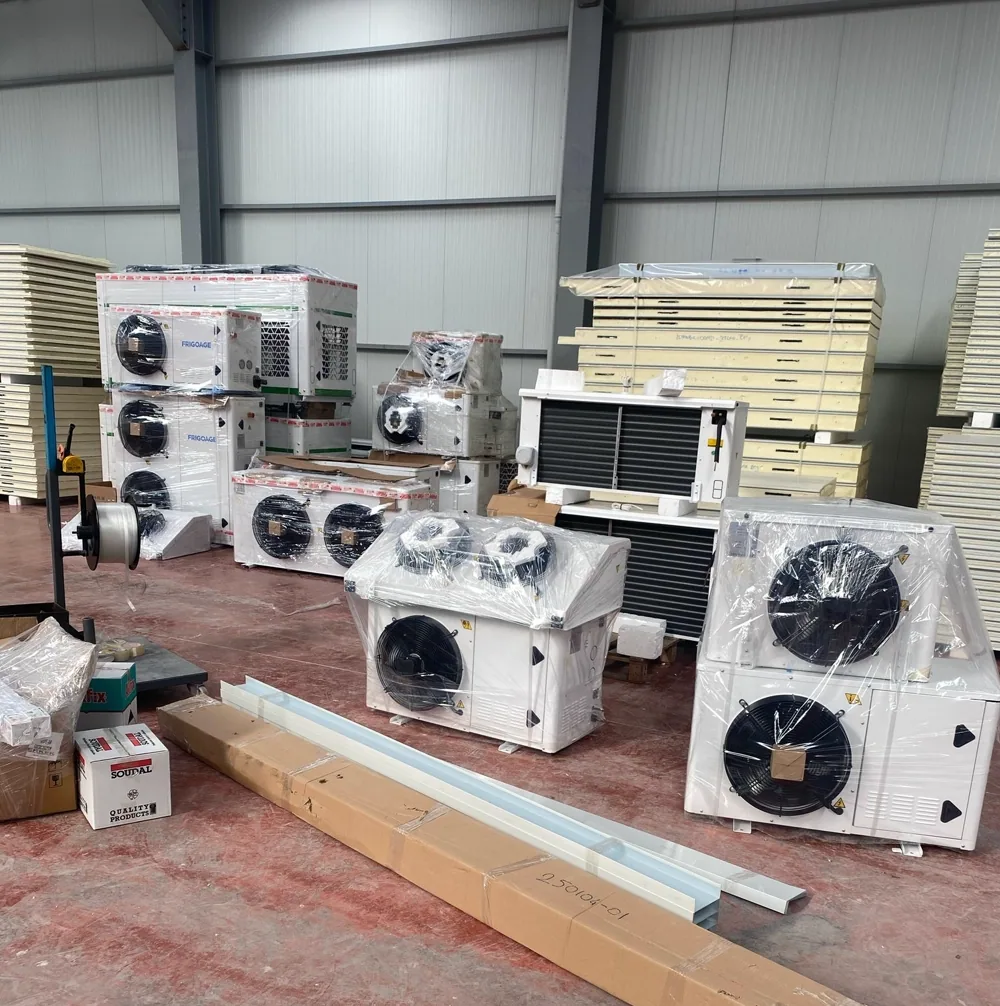
Do not let display rounding change the decision
For 4 kg of R-410A at GWP 2,088, the calculation gives 8.352 tCO₂e. For 2.394 kg of the same gas it gives 4.998672 tCO₂e. Two decimal places would show 5.00 for the second figure, even though it is below the general 5 tCO₂e threshold. Retain the unrounded result and check whether the underlying charge supports the precision, especially at a boundary.
Check exceptions and records separately
Check the applicable tonne band, a verified hermetic label where relevant, and whether qualifying automatic detection is actually fitted. A sealed-looking casing is not proof of a label. Automatic detection can change the routine interval and has its own check requirements. Use DAERA for Northern Ireland; the GB schedule does not cover it. Record duties and repair follow-up are separate questions.
Common questions
Should I use the GWP printed on an old label?
Keep the label for refrigerant identification and check the GWP specified by the current guidance for the equipment location.
How many tonnes of CO2 equivalent is 4 kg of R-410A using a GWP of 2,088?
4 × 2,088 ÷ 1,000 gives 8.352 tonnes of CO₂ equivalent. Check the scope, seal label and detection arrangements before applying the interval.
What should I do when the equipment register and commissioning sheet disagree on the charge?
Keep both figures with their sources. Ask the operator or service company to confirm the charge for the circuit in question and update the register with the evidence. Leave the interval unresolved until then.
If my calculation is 4.998672 tCO2e but the display says 5.00, which number matters?
Use the unrounded result to establish the band. If charge precision or conflicting records could put the real value across the threshold, ask for better evidence before making the schedule.