Separate listed refrigerant response, instrument performance and approval for the conditions of intended use.
HVAC Leak Check editorial team · References checked
A photograph can show the work area; the record still needs the actual observation.Photo: Sgt. Samuel R. Beyers · Public domain
A datasheet listing “detects R-32” addresses the sensor’s stated capability. It does not, by itself, approve the exact instrument for every location or operating condition. Start with the product model and revision, the task and the environment where the engineer expects to work.
Separate three documentation questions
Response. Does the exact model list R-32? Check the mode, stated measurement basis and performance conditions.
Function. What does the manufacturer say about self-test, reference checks, sensor condition and maintenance?
Intended use. Which restrictions, approvals and environment limits does the manufacturer list for the proposed use? Follow the applicable risk assessment and equipment procedure.
A specification reported as an annualised mass loss and a concentration in ppm describe different things. Do not compare them as if they were interchangeable, or use a general marketing claim to decide what a particular detector can establish. A detector response at a location is an observation to record and corroborate under the applicable procedure.
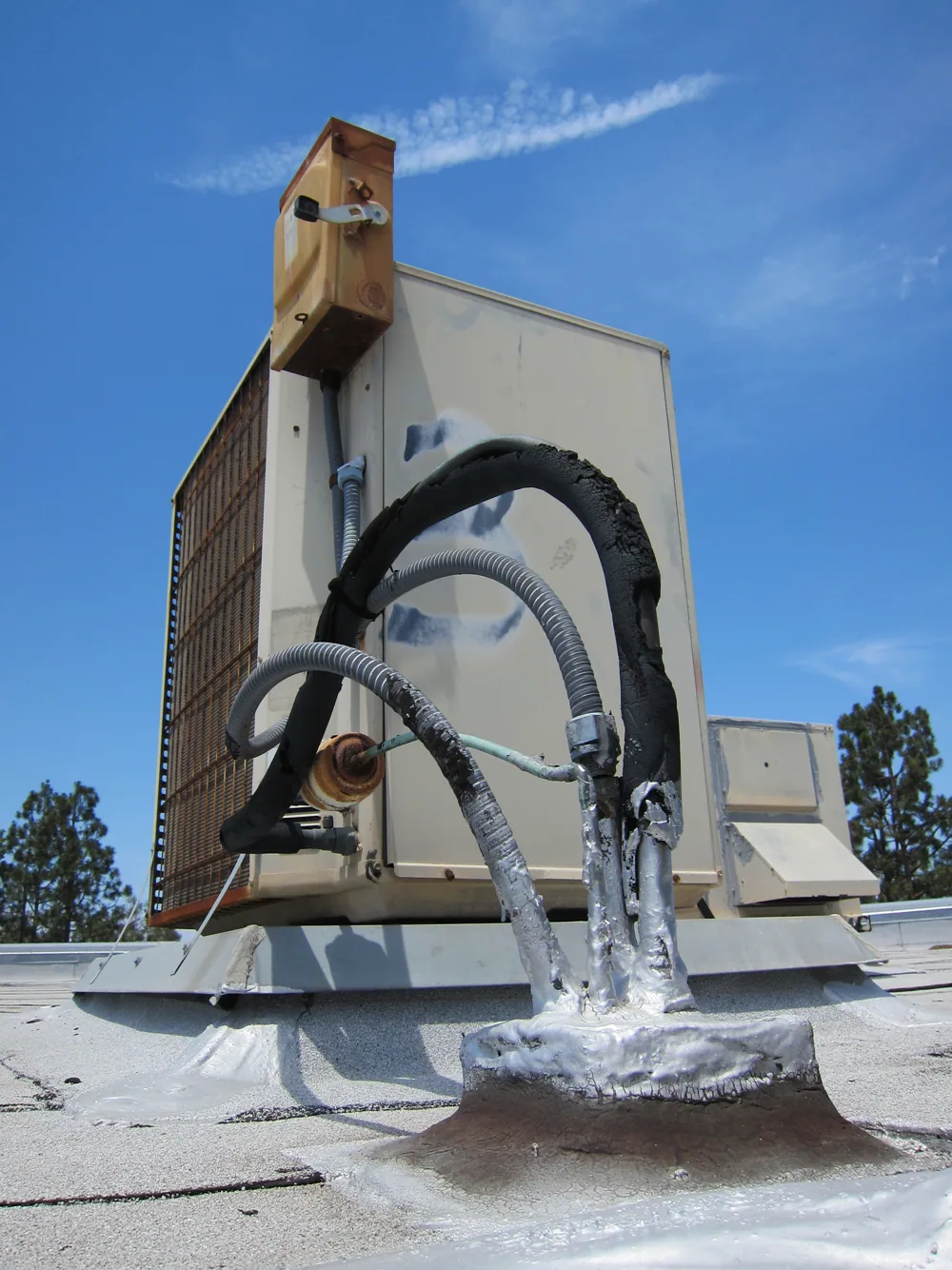
Inspect model-specific documentation before relying on a service connection.Photo: Chris Hunkeler from Carlsbad, California, USA · CC BY-SA 2.0
Keep evidence where it can be checked
Save the revision and page beside each claim. Note questions that require the manufacturer or responsible engineer to answer. Choose the equipment only after the proposed task, instrument and working conditions have been reviewed.
Common questions
Does this page recommend a detector?
The checklist helps compare evidence for the exact model. It cannot approve an instrument, detector method or work area.
How do I verify that R-32 is listed for the specific model and revision the supplier is selling?
Match the model and suffix on the listing to the manufacturer’s manual or datasheet revision. Look for R-32 in that document’s gas list, then check the intended use and exclusions separately.
How do I distinguish the gas response claim from the manufacturer's intended-use statement?
The gas list tells you what the instrument is designed to respond to. The intended-use and operating instructions tell you where and under which conditions the manufacturer specifies use. Keep both references.
Why can't I compare an annualised leak mass rating directly with a reading in ppm?
Grams per year expresses a mass per unit time under a stated method. Parts per million expresses concentration. A simple conversion between them is not supported by the two units alone.